

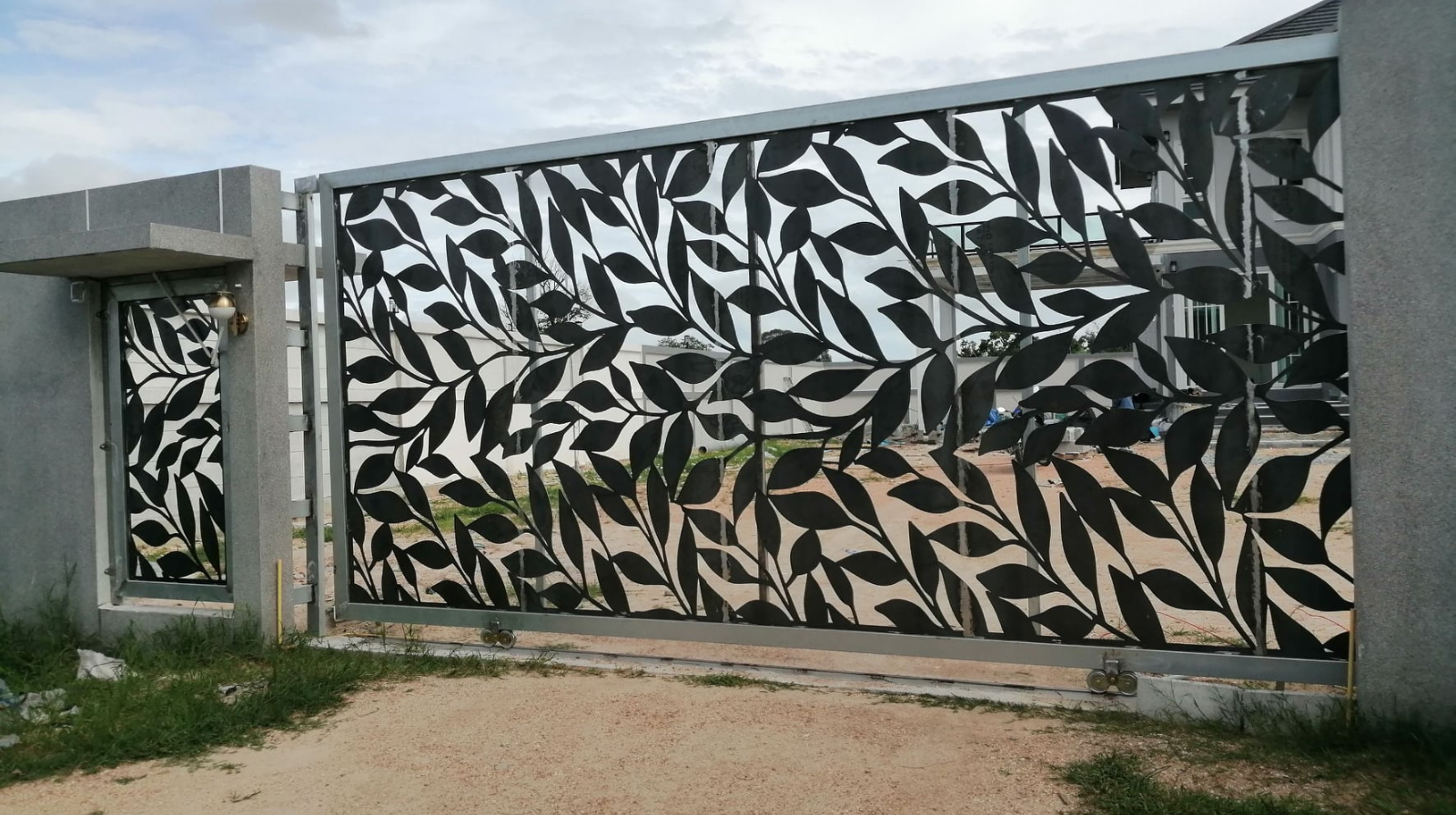
Understanding the Cost Factors of Modern Metal & Glass Entry Doors
Entry doors crafted from modern metal and glass offer a striking blend of security, durability, and aesthetic appeal. These designs can range from minimalist frames with expansive glass panels to intricate metalwork that serves as both art and barrier. Understanding what drives the cost of these sophisticated doors is key to budgeting and selecting the right option for your home or business.
Key points
- Material selection (steel, iron, aluminum, glass type) is a primary cost driver for modern metal and glass entry doors.
- Intricate designs and customization, including custom metalwork and decorative glass, increase the overall price.
- High-quality hardware and premium finishes add to the investment but enhance durability and aesthetics.
- Door size and the complexity of professional installation significantly impact the final cost.
- Understanding these factors helps in budgeting and selecting the most suitable door for your needs.
Material Choices and Their Impact on Price
The primary materials used in modern metal and glass entry doors—steel, iron, and aluminum—each come with distinct price points. Steel offers robust security and durability, often at a moderate cost. Its strength makes it a popular choice for both residential and commercial fences, as well as for robust entry doors (iron & steel). Iron, while also strong, can be more expensive due to its weight and the labor involved in fabrication, especially for custom designs like iron gates & fences. Aluminum is typically the lightest and most budget-friendly option, though it may not offer the same level of security as steel or iron. The type of glass also plays a significant role. Standard tempered glass is common, but options like frosted, etched, impact-resistant, or double-paned glass will increase the overall price. For areas where extreme weather or security is a concern, specialized glass adds an important layer of protection and value.
Design Complexity and Customization
The visual intricacy of a modern metal and glass door is a major cost determinant. Simple, clean-lined designs with large, unadorned glass panes are generally less expensive than doors featuring elaborate metal scrollwork, geometric patterns, or custom-etched glass. Projects requiring significant design consultation and custom fabrication, such as unique modern metal & glass designs or bespoke custom metal furniture, will naturally incur higher costs. The more specialized the design, the more labor and expertise are needed. This also applies to the integration of other elements, like combining metalwork with hardscape & concrete walls, or designing custom wooden gates & fences that complement an entry door.
Hardware and Finishing Options
Beyond the door itself, the hardware—handles, locks, hinges, and decorative elements—contributes to the final price. High-quality, durable hardware made from materials like solid brass, stainless steel, or wrought iron can add significantly to the cost. Advanced locking mechanisms, such as multi-point locking systems or smart locks, also represent an investment in security and convenience. The finishing process, including powder coating, painting, or specialized patinas for the metal, further impacts the price. These finishes not only enhance the door’s appearance but also protect it from the elements, extending its lifespan. The choice between standard hardware and premium options, or between a basic paint finish and a complex patina, directly affects the overall investment.
Size, Installation, and Additional Services
The dimensions of the door are a straightforward factor in cost; larger doors require more materials and often more complex installation. The installation process itself can be a substantial part of the total expense, especially for heavy or custom-designed doors. Professional installation ensures the door is fitted correctly for optimal security, performance, and longevity. This is particularly true when integrating a new entry door with existing structures or when undertaking larger projects like installing commercial fences or motorized / electric gates. Additional services, such as site preparation, removal of old doors, or specialized structural modifications, will also add to the final bill. The expertise required for installing intricate modern metal & glass designs necessitates skilled labor, influencing the overall quote.
Common questions
What are the main factors influencing the cost of modern metal and glass entry doors?
The cost of modern metal and glass entry doors is primarily influenced by the materials used (steel, iron, aluminum, type of glass), the complexity of the design, the quality of hardware and finishes, the door’s size, and the requirements for professional installation.
Does the type of metal affect the price of the door?
Yes, the type of metal significantly impacts the price. Steel generally offers a good balance of cost and security. Iron can be more expensive due to its weight and fabrication demands. Aluminum is typically the most economical option but may offer less security.
How does the glass choice affect the overall cost?
The type of glass chosen directly affects the price. Standard tempered glass is a baseline cost. Opting for specialized glass such as impact-resistant, frosted, etched, or double-paned varieties will increase the overall expense of the door.
Are custom-designed doors more expensive than standard ones?
Custom-designed doors are typically more expensive because they require specialized design work, unique fabrication processes, and often more intricate craftsmanship compared to standard, mass-produced models.
