 Skip to content

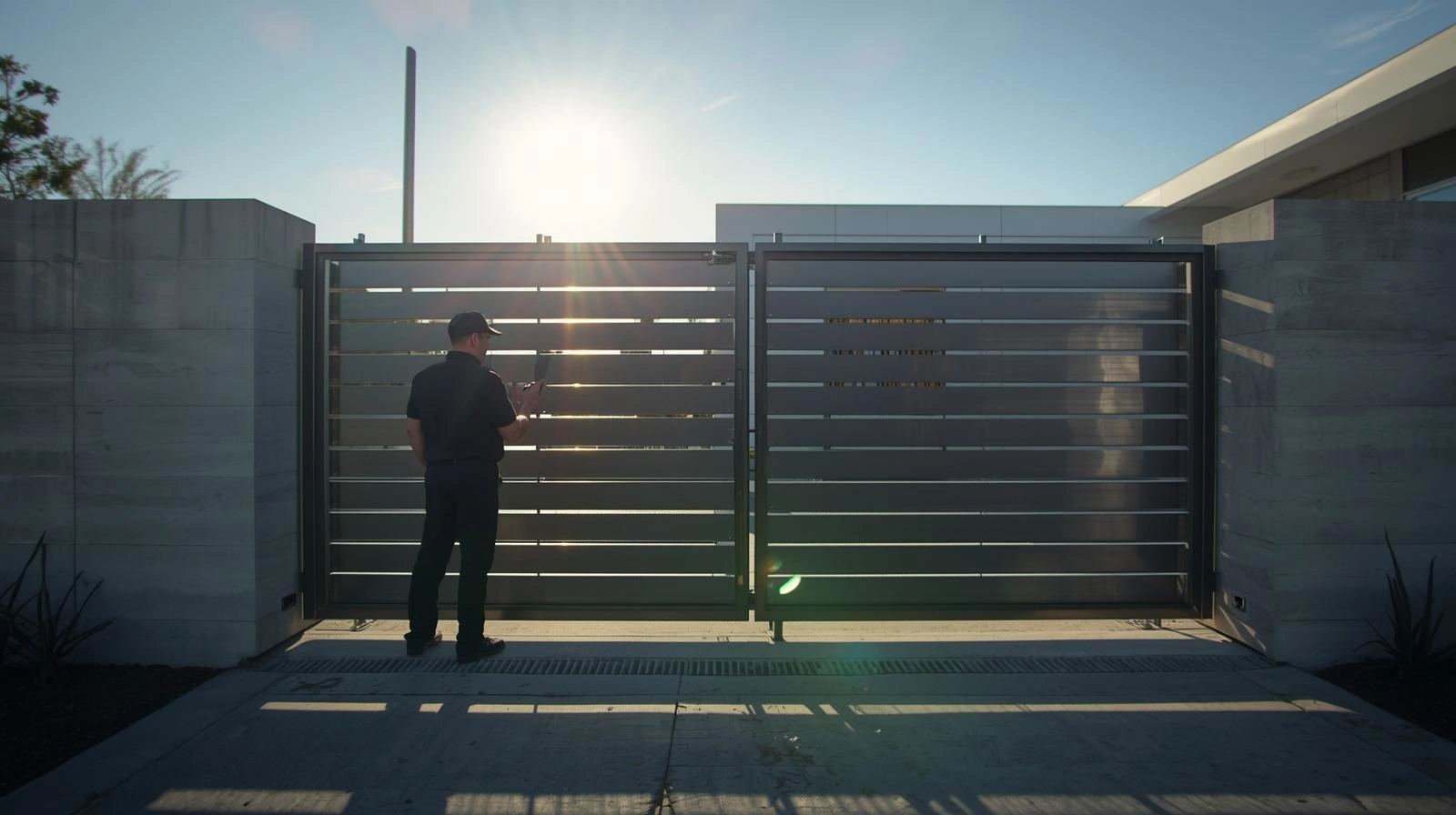
In the world of design, aesthetics often take center stage. We dream of beautiful forms, captivating colors, and innovative layouts. However, true design excellence extends beyond superficial beauty to embrace longevity and resilience. Designing for durability means creating spaces and objects that withstand the test of time, use, and environmental factors, ultimately providing greater value and reducing the need for constant replacement or repair.
Key Pillars of Durable Design
To achieve truly durable results, focus on these critical aspects from conception to completion:
| Pillar | Description | Impact on Durability |
| Material Selection | Choosing materials inherently resistant to wear, corrosion, moisture, and impact. | Directly determines how well a component withstands environmental stresses and daily use. |
| Construction Methods | Employing robust joining techniques, proper fastening, and stable structural design. | Prevents structural failure, loosening of parts, and maintains integrity over time. |
| Environmental Exposure | Accounting for UV radiation, humidity, temperature swings, and chemical contact. | Protects against degradation, fading, warping, and material breakdown. |
| Maintenance & Repairability | Designing for easy cleaning, inspection, and replacement of individual components. | Extends lifespan by allowing for upkeep and addressing issues before they escalate. |
| User & Usage Patterns | Understanding how the item will be used, by whom, and with what frequency. | Prevents premature wear from expected stresses and misuse. |
Durability Checklist for Your Next Project
Use this checklist to ensure you’re addressing key durability factors in your design process:
- Material Choice:
- Have I selected materials appropriate for the intended environment (indoor/outdoor, high/low humidity)?
- Are the materials resistant to common wear factors (scratches, stains, abrasion)?
- Have I considered the material’s structural integrity and load-bearing capacity?
- Is the material non-corrosive or adequately protected against corrosion?
- Structural Integrity & Fastening:
- Are joints robust and appropriately chosen for the materials (e.g., mortise and tenon for wood, welding for metal)?
- Are fasteners (screws, bolts, adhesives) rated for the load and material?
- Is the overall structure stable and resistant to racking or wobbling?
- Have I considered expansion and contraction of materials due to temperature changes?
- Surface Protection & Finish:
- Is there an adequate protective finish against moisture, UV, and chemicals?
- Is the finish durable and resistant to chipping, peeling, or fading?
- Is the finish easy to clean and maintain?
- Accessibility for Maintenance:
- Can the item be easily cleaned, inspected, and maintained?
- Are wear parts (e.g., hinges, glides, upholstery) replaceable if needed?
- Is there sufficient access for repairs without dismantling the entire structure?
- Anticipating Usage:
- Have I considered the weight and force it will bear regularly?
- Is it designed to withstand typical bumps, impacts, or scrapes in its environment?
- If it’s for public use, is it “vandal-proof” or highly resistant to abuse?
The Long-Term Value of Durable Design
Investing in durable design might seem to add to the initial cost, but the long-term benefits far outweigh this. Durable projects require fewer repairs, replacements, and less maintenance, leading to significant savings over their lifespan. Beyond the financial aspect, durable design contributes to sustainability by reducing waste and resource consumption. It also fosters a deeper appreciation for well-crafted items that stand as testaments to thoughtful design and quality execution.
For Metal Garage Doors Gates & Fence, a commitment to durability is a commitment to excellence, creating pieces that are not only beautiful but also built to last for generations.

