Understanding Wooden Fence Installation and Maintenance
Wooden fences offer a classic and versatile solution for defining property lines, enhancing privacy, and boosting curb appeal. While seemingly straightforward, selecting, installing, and maintaining a wooden fence involves several key considerations to ensure it stands the test of time and weather. This guide delves into what a wooden fence project truly entails, from initial choices to ongoing care.
Key points
- Wood selection (cedar, redwood, pressure-treated pine) impacts durability and cost.
- Fence design should align with functional needs (privacy, security, aesthetics).
- Proper installation, including secure post setting, is crucial for stability.
- Regular maintenance, including cleaning and sealing, extends fence lifespan.
- Consider complementary services like wooden gates, iron fences, or commercial fencing.
Choosing the Right Wood and Design
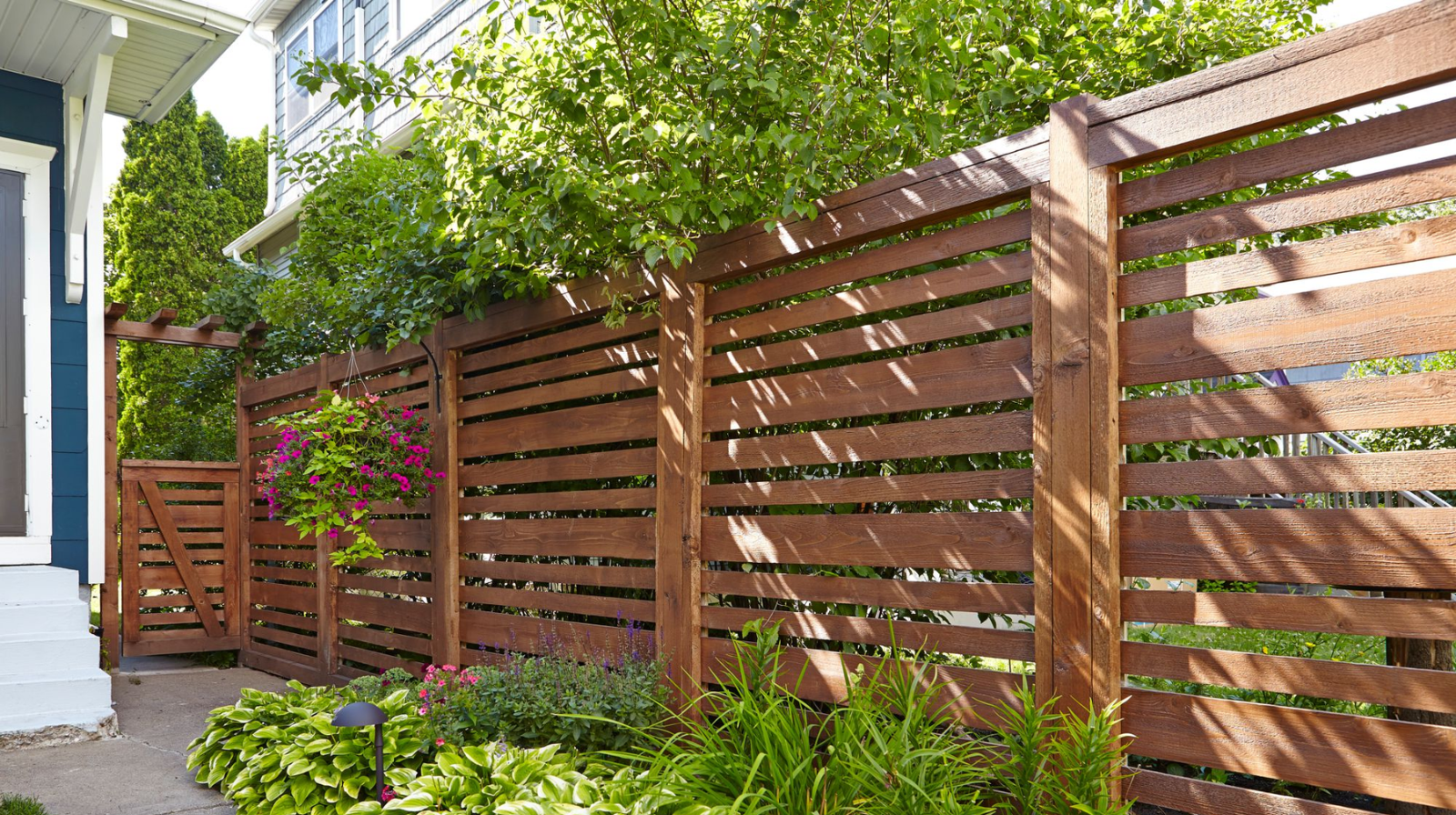
The foundation of any durable wooden fence lies in selecting appropriate materials. Different wood species offer varying levels of resistance to rot, insects, and weathering. Common choices include cedar, redwood, and pressure-treated pine, each with its own characteristics and cost implications. Cedar and redwood are naturally resistant to decay and insects, making them a premium choice, while pressure-treated lumber offers a more budget-friendly option with enhanced durability against environmental factors. Beyond the wood type, design plays a crucial role. Consider the fence’s purpose: is it primarily for security, privacy, or aesthetic enhancement? Styles range from simple post-and-rail designs to solid privacy fences, picket fences, or decorative options. The height and spacing of pickets or panels will significantly impact both the fence’s appearance and its functional benefits. For those seeking a unique look, custom wooden gates and fences can be designed to complement the architectural style of your home or business.
The Installation Process
Installing a wooden fence involves more than just setting posts and attaching panels. The process begins with careful site preparation, including marking property lines and clearing the area of obstacles. Proper post setting is critical for stability and longevity. Posts should be set in concrete or compacted gravel below the frost line to prevent shifting and heaving due to ground movement. The spacing of these posts will depend on the fence’s height and the type of panels or rails being used. Once the posts are secure, horizontal rails are attached, followed by the vertical pickets or panels. Ensuring all components are level and plumb is essential for a professional finish. For larger or more complex projects, such as commercial fences, professional installation is highly recommended to ensure structural integrity and compliance with any local building codes. The installation of wooden gates requires particular attention to ensure they swing smoothly and latch securely.
Maintenance for Longevity
A wooden fence requires regular maintenance to preserve its appearance and structural integrity. Exposure to the elements can lead to weathering, warping, cracking, and discoloration. Periodic cleaning can remove dirt, mildew, and algae. Applying a sealant or stain every few years is crucial. Sealants help repel water, preventing rot and decay, while stains can restore the wood’s color and provide UV protection. Inspect the fence regularly for loose pickets, damaged rails, or signs of insect infestation. Prompt repairs can prevent minor issues from escalating into major problems. Pay close attention to the condition of the posts, especially where they meet the ground, as this is a common area for rot to begin. Proper maintenance not only extends the life of your wooden fence but also maintains its aesthetic appeal, contributing positively to your property’s overall value.
Beyond Traditional Fencing: Related Services
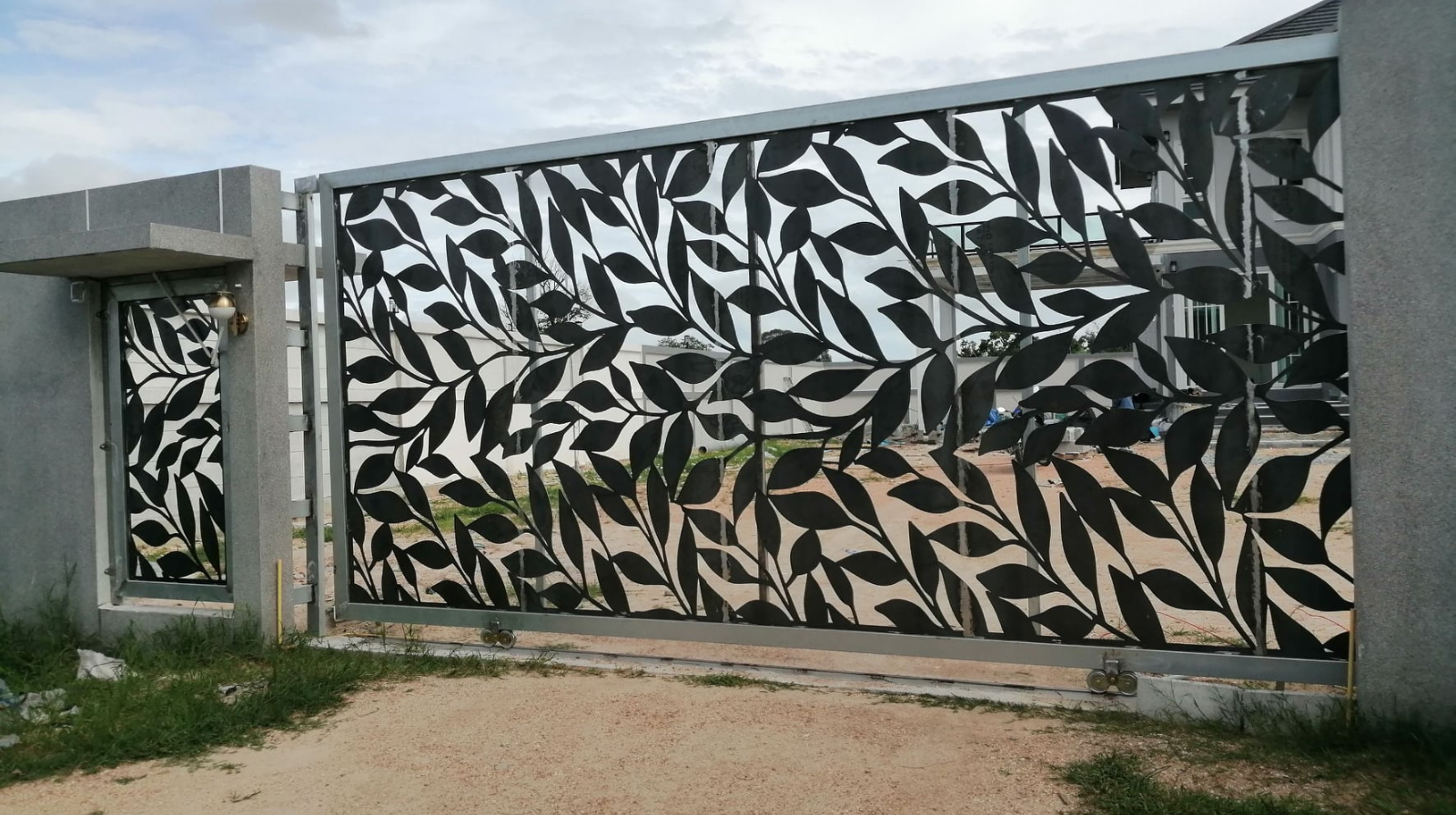
While wooden fences are a popular choice, the scope of property enhancement extends to other materials and structures. For properties requiring robust security and a distinct aesthetic, iron gates and fences offer a timeless and sturdy solution. Businesses often opt for commercial fences designed for durability and security. For a blend of strength and modern design, metal and glass elements can be incorporated into various structures. Even custom metal furniture can complement outdoor spaces. Hardscape elements like concrete walls can also serve as boundaries or decorative features. When considering boundary solutions, exploring options like wooden gates and fences alongside other materials provides a comprehensive approach to property improvement and security.
Common questions
What are the main types of wood used for fencing?
Commonly, fences are built using cedar, redwood, or pressure-treated lumber. Cedar and redwood are naturally resistant to decay and insects, while pressure-treated wood offers enhanced protection through chemical treatment.
How long does a wooden fence typically last?
With proper installation and regular maintenance, a wooden fence can last between 10 to 20 years. The lifespan can vary based on the type of wood, climate, and upkeep.
What maintenance is required for a wooden fence?
Maintenance involves regular cleaning to remove dirt and mildew, periodic inspections for damage, and reapplying sealant or stain every few years to protect the wood from weathering and UV rays.
Can wooden fences provide privacy?
Yes, solid wooden fences, especially those with no gaps between pickets or panels, are highly effective at providing privacy.