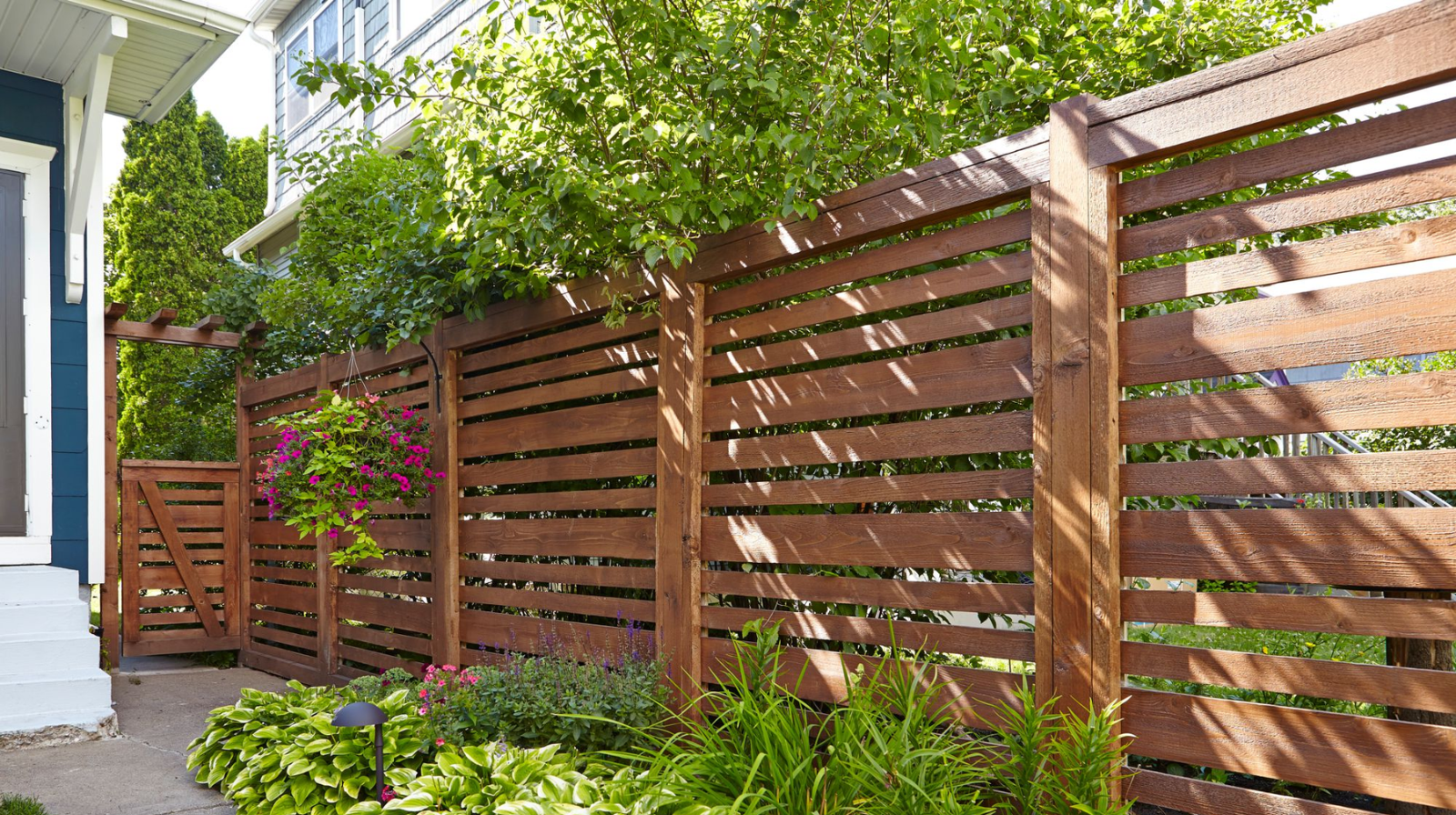
Understanding Wooden Fence Costs: Factors Influencing Your Investment
Installing a wooden fence or gate can significantly enhance a property’s aesthetic appeal, privacy, and security. However, the final cost can vary widely. Understanding the elements that contribute to the overall price is crucial for homeowners and business owners planning such an investment. This guide breaks down the primary considerations that impact the cost of wooden fences and gates.
Key points
- Wood type is a primary cost driver, with hardwoods and naturally resistant woods being more expensive.
- Intricate designs and custom features for fences and gates increase material and labor costs.
- The linear footage and height of the fence directly impact material quantities and installation time.
- Installation labor, site preparation, and hardware are significant components of the total budget.
- Finishing treatments and necessary permits contribute to the overall investment in a wooden fence.
Material Choices and Their Impact on Wooden Fence Costs
The type of wood chosen for a fence is a primary driver of its cost. Softer woods like pine or cedar are generally more affordable but may require more maintenance and have a shorter lifespan compared to hardwoods. Cedar, for instance, offers natural resistance to rot and insects, which can translate to a higher initial cost but potentially lower long-term expenses. Other options might include redwood, known for its durability and attractive appearance, commanding a higher price point. The grade of the lumber also plays a role; higher grades with fewer knots and defects will be more expensive. The thickness and width of the boards selected will also affect material quantities and, consequently, cost. When considering wooden gates and fences, the specific wood species selected will fundamentally shape the project’s budget.
Design Complexity and Features
The visual design of a wooden fence or gate significantly influences its price. Simple, straight-line fences with basic post-and-rail construction are typically the most economical. More intricate designs, such as those featuring decorative top caps, lattice work, custom post caps, or scalloped edges, will incur higher labor and material costs. The complexity of the gate design also adds to the overall expense. A custom-designed wooden gate, perhaps with unique patterns or integrated hardware, will naturally cost more than a standard, pre-fabricated model. The more detailed and bespoke the design, the higher the investment required.
Size and Scope of the Project
The total length and height of the fence are direct determinants of cost. A longer fence requires more materials and more labor for installation. Similarly, a taller fence will necessitate more wood and potentially sturdier posts, increasing both material and installation expenses. For larger properties or those requiring extensive perimeter coverage, the cumulative cost will naturally be higher. The number of gates included in the project also factors in; each gate represents an additional material and installation cost. For commercial fences, the scale of the project is often much larger, leading to a proportionally higher overall expense.
Installation Labor and Site Preparation
The cost of installation labor is a significant component of the total project price. Factors influencing labor costs include the complexity of the installation, the terrain of the property, and the prevailing labor rates in your area. Difficult terrain, such as steep slopes or rocky soil, can make installation more challenging and time-consuming, thus increasing labor expenses. Site preparation, which may involve clearing existing vegetation, removing old fencing, or grading the land, also adds to the overall cost. Professional installation ensures the fence is sturdy and correctly erected, but it is a cost that must be factored into the budget for wooden gates & fences.
Hardware, Finishes, and Additional Features
Beyond the wood itself, the cost of hardware such as hinges, latches, and screws contributes to the total. High-quality, durable hardware, especially for gates, will be more expensive but offers better longevity and performance. Furthermore, any finishing treatments, like stains or sealants, add to the cost. While these finishes protect the wood and enhance its appearance, they represent an additional expense. Options for enhanced security or automation, such as self-closing hinges or integrated locking mechanisms for gates, also increase the project’s cost. These elements, while not always essential, can add significant value and convenience.
Permits and Professional Services
Depending on your local regulations, you may need to obtain permits for fence installation. The cost of these permits varies by municipality and should be factored into your budget. Engaging professionals for design or structural consultation, especially for complex projects or commercial fences, can also add to the overall expense. While it might seem like an extra cost, professional oversight can prevent costly mistakes and ensure compliance with building codes, ultimately saving money in the long run.
Common questions
What are the main factors affecting wooden fence prices?
The primary factors influencing wooden fence prices are the type and grade of wood used, the complexity of the design, the overall size and height of the fence, and the cost of installation labor and site preparation.
Does the type of wood significantly change the cost?
Yes, the type of wood is a major cost determinant. Hardwoods and woods with natural pest and rot resistance, like redwood or certain cedars, are generally more expensive than softer, less durable woods like pine.
Are custom wooden gates more expensive than standard ones?
Custom wooden gates are typically more expensive than standard ones due to the unique design, specialized materials, and increased labor required for their fabrication and installation.
Does installation labor add a substantial amount to the total cost?
Yes, installation labor is a significant part of the total cost, influenced by the fence’s complexity, the terrain, and local labor rates. Professional installation ensures quality but adds to the overall expense.
Should I budget for finishing or sealing my wooden fence?
It is advisable to budget for finishing or sealing, as these treatments protect the wood from weather damage, UV rays, and pests, extending the fence’s lifespan and maintaining its appearance. This adds to the initial cost but can save on future repairs and replacements.